

Crown Reduction vs Crown Thinning
If your tree seems oversized, overcrowded, or slightly unmanageable, an arborist might suggest crown reduction – alternatively, crown thinning. Though these terms appear alike, their purposes differ significantly. Choosing correctly affects appearance, safety, also long-term health. Each method shapes growth uniquely, influencing resilience under weather stress.
What Is Meant By The Term ‘Crown’?
The crown refers to the upper section of a tree – this includes all parts extending beyond the central stem: limbs, small shoots, or foliage. That portion consists of elements rising above the primary shaft: such as boughs, minor stems, greenery.
A tree expert refers to trimming or reducing the upper part when mentioning crown maintenance – this improves safety, enhances health, while adapting the shape to fit nearby structures. Though shaping is involved, it focuses on balance rather than appearance alone, ensuring stability during storms instead of just neatness. The goal involves managing growth gradually through selective cuts that support natural form despite space limits.
What Is Crown Reduction?
Crown reduction is all about making the tree smaller. The goal is reducing height and width through cutting certain limbs to proper buds. Although smaller, the tree still looks balanced overall.
Homeowners often consider crown reduction if a tree has become too big for its location. When it’s near the house, touching gutters, or hanging over a roof, trimming may help. In some cases, branches threaten chimneys, antennas, or electrical wires. Occasionally, trees catch strong winds, raising concerns about breakage during storms.
A correct crown reduction keeps things in balance. Around every side, the tree is reduced uniformly – never cut heavily on just one part. A reasonable portion of leaves is taken, allowing strong regrowth over time.
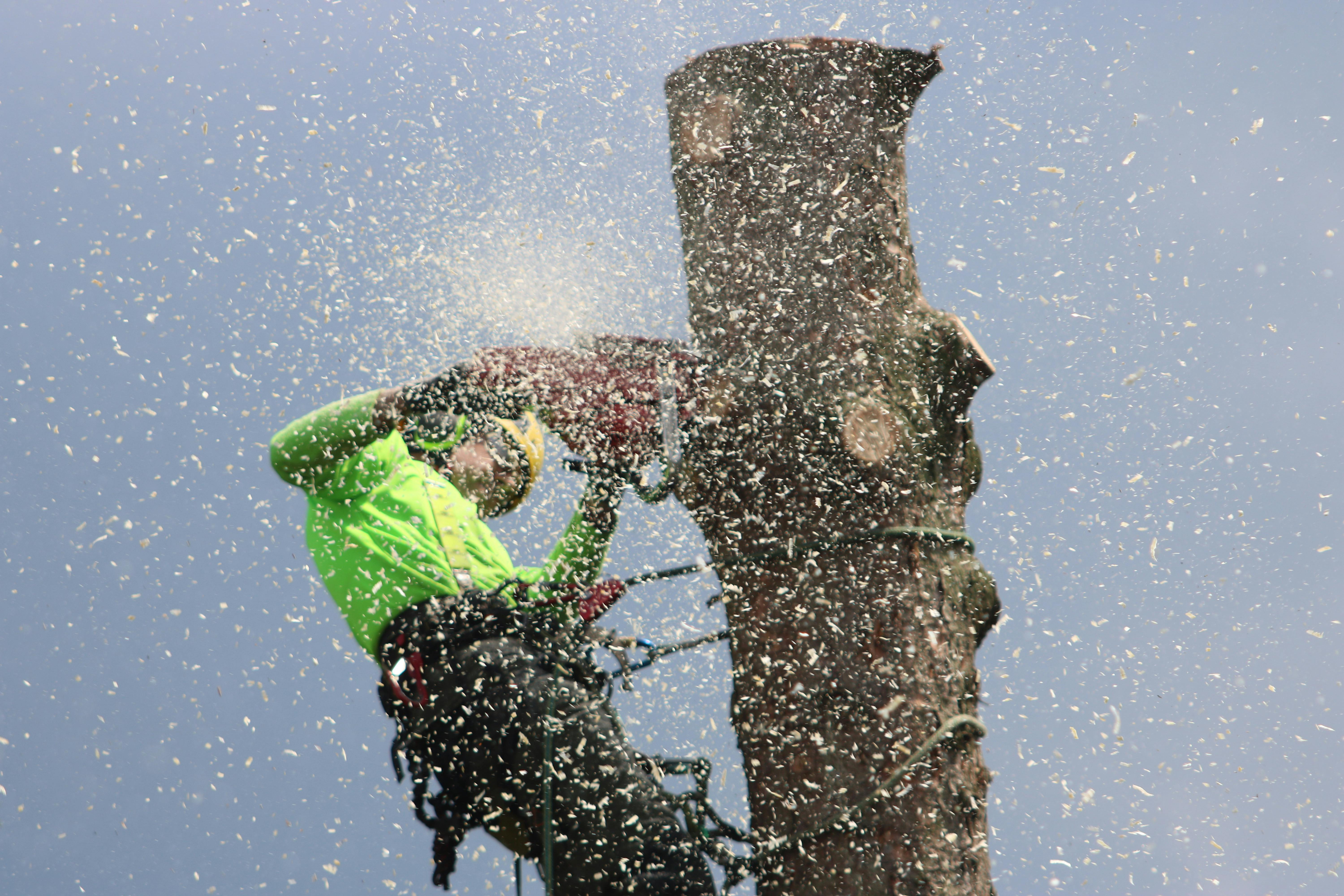
What Is Crown Thinning?
Crown thinning focuses on reducing density – rather than size – by selectively removing branches. This allows more airflow while preserving the overall shape through careful spacing between cuts.
Your tree specialist trims specific limbs inside the canopy rather than adjusting total size. The outer shape remains nearly unchanged – yet sunlight plus airflow improve noticeably.
This helps if a tree seems overwhelming, not just large. Maybe it shades the home or yard too much, yet stands exposed to strong gusts due to thick foliage. Alternatively, opening up the crown boosts airflow, which lowers chances of some infections.
When crown thinning’s carried out correctly, the tree keeps its natural appearance. No large gaps, uneven edges, or cut-back tips should be visible. At a glance, the form remains unchanged; however, the foliage seems less dense, while patches of sunlight become clearer below. Over-thinning may cause harm if done poorly. Removing excess from the crown quickly might strain the tree, leading to weak new growth. Just like many arboriculture tasks, gentle care works more effectively compared to aggressive methods.
What Are The Main Differences Between The Two?
Curious about what suits you best? Below are key contrasts – so you can choose wisely.
Crown reduction means reducing a tree’s overall size – height and width – by trimming branch tips to appropriate buds or lateral shoots. This method maintains the original form, only more compact; often used to create space near structures, wires, rooftops, or lighten upper weight. Instead of drastic cuts, it focuses on measured pruning for balance and safety.
Crown thinning allows extra light and airflow while keeping the tree’s overall shape. Branches inside the crown are taken out – this keeps the outer form similar yet opens up the interior. As a result, shading decreases; wind moves through easier. Disease likelihood drops due to improved circulation.
If you’d like a single clear contrast:
Apply crown reduction if the tree exceeds available room – this method helps manage size without harming structure.
Apply crown thinning if the canopy feels crowded – yet aim to maintain the tree’s full shape. Instead of reducing height, focus on removing select branches to improve airflow through the foliage.
Why Choose Treesaw For The Job?
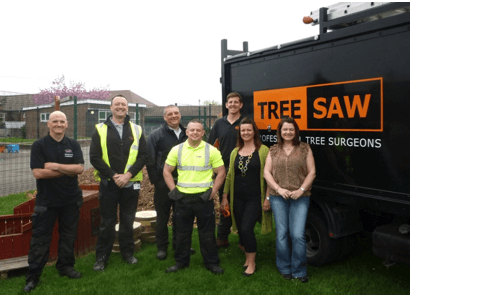
Treesaw is your go-to choice for reliable tree care nearby. When you want skilled professionals who deliver solid results, choose us without hesitation. What sets us apart? Strong service across Leeds, Bradford, Harrogate, and Wakefield stands out clearly.
Choosing a tree expert means wanting safety, skills, and clear communication. Treesaw handles tree care for homes, companies, or councils in Yorkshire – doing so with experience plus consistency on each task.
- Fully trained staff at each location – covered by insurance policies
- Arboricultural Association Approved Contractor status
- Meets ISO standards for quality, environmental care – also worker safety
- Accredited with schemes like CHAS and TrustMark
- All waste is processed – then managed with care
- Upfront pricing alongside reliable guidance prior to beginning tasks
Starting with the initial inspection through to cleanup, Treesaw prioritizes safety and smooth operations while minimizing interference – resulting in improved tree health and an area prepared for use.
Contact Us Today
If concerns arise over a tree nearing your home – perhaps dimming sunlight or appearing unstable – you can discuss it with our team. Whether branches loom too close or the base seems shaky, we’re ready to help assess the situation. Rather than wait until risks grow, reach out early for a clear overview. Instead of guessing what’s needed, get straightforward advice from experienced people.
We can stop by, check the tree together – then go over your choices in simple terms: maybe light trimming, scaling it back, or taking it out only if needed. You’ll receive a straightforward outline plus pricing, so nothing comes as a surprise. Get in touch whenever you’re ready.