

How Seasonal Trees Affect Commercial Properties Year-Round
Seasonal trees change more than the way a commercial property looks. Over the course of a year, they affect maintenance schedules, safety risks, drainage, foot traffic, and even how a site is perceived by tenants and visitors.
From leaf drop and root growth to shade, storm damage, and reduced visibility, these changes happen gradually and often go unnoticed until they create problems. Understanding how seasonal trees behave throughout the year helps property owners plan ahead, manage costs, and avoid issues before they disrupt daily tasks.
What Properties Do Seasonal Trees Mainly Effect?
Hard Surfaces and Access Areas
Seasonal trees affect car parks, footpaths, and entrances. Falling leaves, sap, and small branches create slip risks and increase cleaning and maintenance needs. Roots can also lift paving and damage asphalt over time.
Buildings and Structures
Trees close to buildings can affect roofs, gutters, walls, and more. Leaf buildup blocks drainage, overhanging branches cause wear or storm damage, and shade can contribute to damp issues if areas don’t dry properly.
Drainage Systems
Leaves, seeds, and debris regularly block surface drains and gutters. This can lead to pooling water, flooding, or erosion around foundations, especially during heavy rain.
Visibility and Security
As seasonal trees grow and fill out, they can block sightlines, lighting, and cameras. This affects security, pedestrian safety, and vehicle movement, particularly in car parks and access roads.
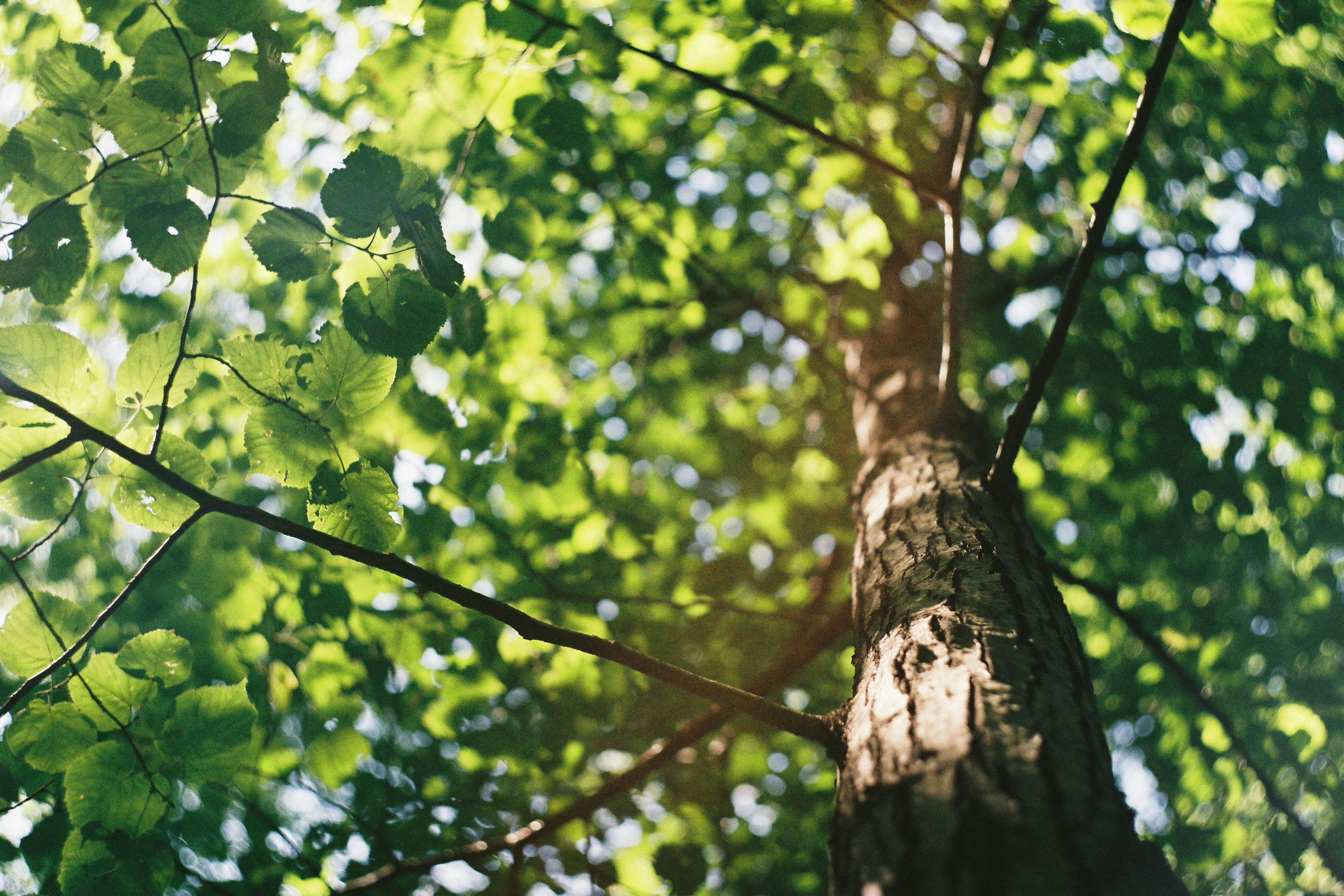
How Often Should Trees Be Checked on a Commercial Site?
Landscaping and Outdoor Areas
Tree shade and root spread affect surrounding lawns, garden beds, and irrigation systems. Seasonal changes can leave areas bare, waterlogged, or difficult to maintain.
Utilities and Infrastructure
Branches and roots can interfere with overhead lines, underground services, and fencing. These issues usually develop slowly but can become costly if ignored.
In short, seasonal trees influence safety, maintenance costs, access, drainage, and long-term property conditions. The key issue isn’t that trees are a problem. It’s that their effects change with the seasons, and commercial sites need to plan for that.
What About The Seasons?
Spring: Growth, Pollen, and Drainage Issues
Seasonal trees enter active growth in spring. New leaves, blossoms, and seed pods increase debris, while rapid root growth can worsen existing surface cracks and drainage problems. Pollen can also affect air intakes and outdoor areas around entrances.
Summer: Shade, Heat, and Visibility
In summer, full canopies provide shade, which can be beneficial, but also reduce visibility around car parks, signage, and lighting. Dense growth can hide damage, restrict airflow around buildings, and place additional stress on branches during storms.
Autumn: Leaf Drop and Slip Risks
Autumn is when seasonal trees create the most obvious issues. Falling leaves block drains, create slippery surfaces, and increase cleaning demands across commercial sites. This is also when neglected maintenance starts to show.
Winter: Bare Branches and Structural Risk
Without foliage, structural weaknesses become more visible. Dead or damaged branches are easier to spot, but winter weather increases the risk of breakage, especially during high winds or heavy rain.
Why Is This An Issue For Property Owners or Buyers?
For property owners and buyers, seasonal trees represent an ongoing responsibility rather than a one-time consideration.
Poorly managed trees can increase maintenance costs, create safety risks, and affect how a site functions throughout the year. Issues like blocked drains, uneven surfaces, and restricted visibility don’t just impact appearance. They can lead to complaints, repairs, and potential liability if left unaddressed.
For buyers, seasonal trees can also hide future costs. A property may appear low-maintenance at one time of year, only to require frequent attention as seasons change. Understanding how seasonal trees behave helps set realistic expectations and informs long-term planning.
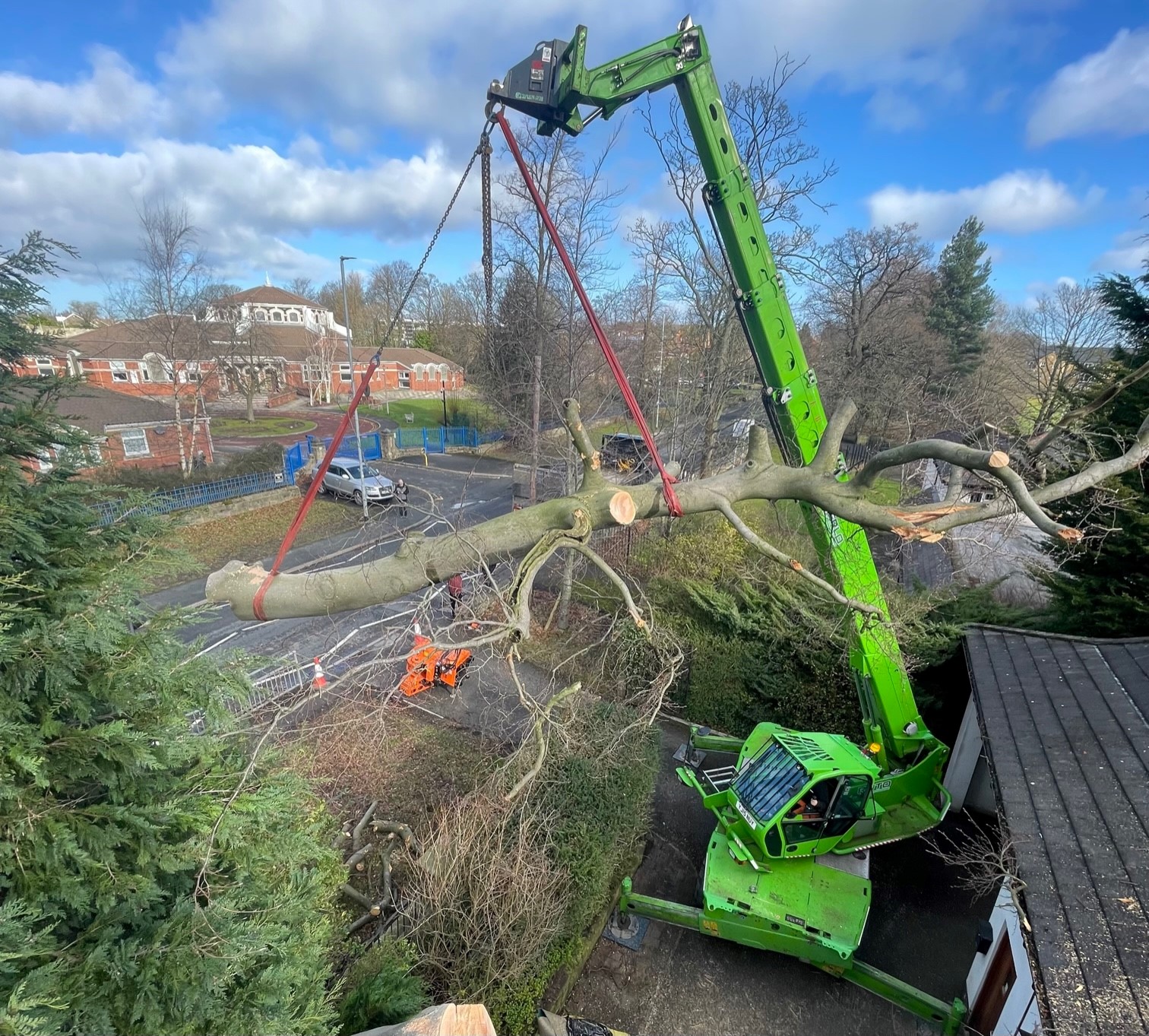
Contact Us Today For Help With Inconvenient Trees
If you’re dealing with seasonal trees on a commercial property, or trying to understand how they may affect a site over time, we’re happy to help. Whether it’s recurring maintenance issues, concerns about safety or drainage, or questions during a purchase or planning stage, a clear view of the situation can make a big difference.
Get in touch to talk through what you’re seeing on your property. We can help assess how seasonal trees are impacting the site and what practical steps can be taken to manage them throughout the year.
Frequently Asked Questions
What are seasonal trees?
Seasonal trees are trees that change throughout the year, including leaf drop, periods of growth, and dormancy. These changes affect how trees interact with surrounding surfaces, buildings, and infrastructure on commercial properties.
How do seasonal trees affect commercial properties?
Seasonal trees can impact access areas, drainage systems, buildings, visibility, and safety. Their effects develop gradually and vary depending on the time of year and local conditions.
When do seasonal trees cause the most issues?
Problems are most noticeable during autumn and winter due to leaf drop, blocked drains, slippery surfaces, and weather-related branch damage. Spring and summer growth can also create longer-term issues if left unmanaged.
How often should seasonal trees be checked?
They should be reviewed several times a year, particularly before peak growth periods, ahead of leaf fall, and after severe weather.
Should seasonal trees be considered when buying a commercial property?
Yes. Seasonal trees can affect future maintenance costs, safety planning, and site functionality. Understanding their year-round impact helps avoid unexpected issues after purchase.